Tree Pattern
First Impressions: A Forest-Inspired Embroidery Design
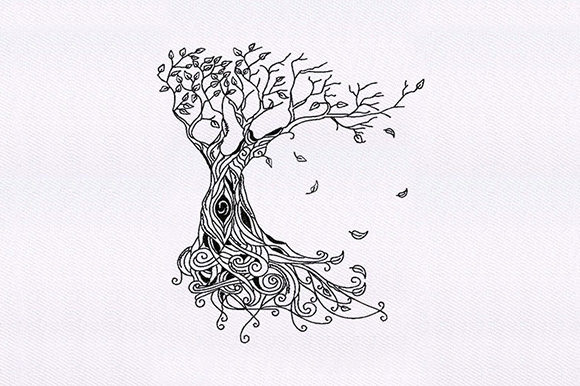
The Tree Pattern immediately evokes a sense of nature and simplicity. With its clean lines and organic shapes, it leans toward a rustic and minimal aesthetic that feels both modern and timeless. As an experienced embroidery designer, I find the design to be versatile enough to fit into a wide range of product types while maintaining its core identity as a forest-themed motif.
Visual Appeal and Customer Attention
The Tree Pattern has a strong visual presence, especially when applied to larger products like tea towel embroidery or tote bag design. Its natural form makes it highly recognizable, which is crucial for attracting customer attention at a craft fair or handmade market. The design’s simplicity also allows it to stand out without overwhelming the viewer, making it ideal for small shop product displays.
On smaller items like embroidered patches or pillow covers, the Tree Pattern can serve as a subtle yet meaningful accent. However, its effectiveness depends on how well it translates to different fabric textures and colors. For instance, on dark fabrics, the contrast between thread colors becomes more important, and designers should consider this when selecting thread colors or design assets.
Selling Potential Across Product Types
The Tree Pattern performs exceptionally well across various craft fair product categories. It works beautifully on apron embroidery, where it adds a touch of nature to everyday wear. On market bags and handmade gifts, it provides a charming focal point that customers are likely to notice and appreciate.
For commercial embroidery or digital embroidery file use, the Tree Pattern offers flexibility. It can be scaled up or down depending on the product size, but care must be taken with stitch density to maintain clarity. Testing the design on scrap fabric before production is essential to ensure that the final finished product meets quality expectations.
Practical Considerations for Production
One of the key practical aspects of the Tree Pattern is its adaptability. Whether you're working with a hoop size of 5x7 inches or larger, the design can be adjusted to suit your needs. However, the optional Box Stitch requires careful consideration. While it adds visual interest, it can also increase stitch density, which may affect the overall look and feel of the design.
When producing multiple units for batch sales, consistency in stitch density and thread colors is crucial. Using the right stabilizer can help prevent puckering or distortion, especially on textured fabrics like tea towels or pillow covers. Additionally, creating at least one real mockup before mass production ensures that the final handmade product aligns with your brand’s vision.
Design Notes for Embroidery Designers
As an embroidery file designer, I recommend reviewing the Tree Pattern carefully for any potential issues. Dense stitch areas or tiny details can be challenging to execute, particularly on small surfaces like caps or fabric pouches. These elements may lose clarity when scaled down, so it's important to test them thoroughly.
Also, consider how the design will photograph for online listings. A clear and high-quality printable mockup is essential for Etsy sellers and other digital platforms. The Tree Pattern’s clean lines and simple structure make it a good candidate for high-resolution images, but always check lighting conditions and background to ensure the best presentation.
Brand Consistency and Booth Display Strength
The Tree Pattern can be a powerful tool for building brand consistency. Its natural theme aligns well with forest-inspired collections, and its versatility allows it to be used across multiple product lines. This makes it ideal for creating a cohesive booth display that attracts a variety of customers, from small shop product buyers to commercial embroidery enthusiasts.
To maximize buyer engagement, place the Tree Pattern on high-traffic items like tote bag design and tea towel embroidery. These products are often eye-catching and easy to handle, making them perfect for drawing in customers and encouraging purchases.
Final Thoughts on Tree Pattern
Overall, the Tree Pattern is a strong choice for craft fair product sellers looking to offer something unique yet approachable. Its balance of simplicity and detail makes it suitable for both handmade product and commercial embroidery applications. By paying attention to stitch density, thread colors, and fabric texture, you can ensure that the final finished product stands out in a competitive market.
Before launching your Tree Pattern products, always confirm licensing terms and test the design on a variety of materials. With the right preparation, this design can become a standout item in your collection, helping you connect with customers who appreciate the beauty of handcrafted artistry.