Wedding Dress Embroidery Design
A Refined Feminine Statement for Boutique Apparel
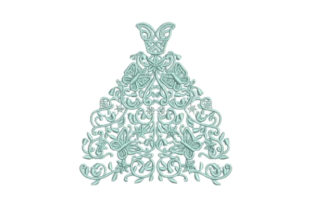
As an embroidery designer who’s developed collections for small clothing brands and Etsy sellers over the past decade, my first impression of the Wedding Dress machine embroidery design was immediate: it carries quiet elegance—not loud or overly ornate, but deeply intentional. The visual personality is classic with a soft, contemporary lift—think delicate silhouette, graceful drape, and subtle contouring that reads beautifully in satin stitch. It doesn’t scream “wedding” in a clichéd way; instead, it whispers sophistication, making it unexpectedly versatile beyond bridal contexts. For boutique apparel, that’s gold. It feels premium without being stiff, feminine without leaning into frilly tropes, and detailed without overwhelming smaller garment areas.
Sweatshirt & Hoodie Integration: Where Charm Meets Wearability
The Wedding Dress embroidery design shines brightest on neutral sweatshirts and pastel hoodies—especially when placed at chest level. Its balanced proportions hold up well on relaxed-fit garments, and the satin stitch rendering adds tactile richness against fleece or French terry. On oversized hoodies, it anchors the front without shrinking the visual space. I tested a mockup placement on a heather gray crewneck sweatshirt: the clean lines of the dress silhouette contrasted beautifully with the casual texture, elevating the entire piece into curated lifestyle wear. As a hoodie design, it also works thoughtfully on sleeves—scaled down slightly—for a subtle signature touch that supports brand recognition without dominating.
Adapting to Diverse Garment Types
- T-shirts: Best on midweight cotton or tri-blends where stitch definition stays crisp. Avoid ultra-thin or slubbed fabrics unless paired with lightweight stabilizer.
- Denim jackets: A standout choice for back panels or upper chest placements—its refined shape balances denim’s ruggedness without clashing.
- Tote bags: Translates powerfully to structured canvas or linen blends. The satin stitch catches light elegantly in lifestyle product photos.
- Cozy seasonal layers: Works surprisingly well on wool-blend cardigans or brushed-back fleece—just confirm thread color contrast remains legible against deep or fuzzy textures.
Strategic Placement & Fabric Considerations
Because Wedding Dress relies on satin stitch for its defining detail, thoughtful execution matters. On stretchy fabrics like ribbed knits or lightweight jerseys, use cutaway or tear-away + topping stabilizer to prevent puckering. On curved surfaces—like sleeve caps or tapered hems—test hoop alignment carefully; slight distortion can soften the silhouette’s clarity. Dense stitch areas (e.g., bodice detailing) benefit from slower machine speed and high-quality embroidery thread to avoid skipped stitches or thread breakage. And while it reads beautifully on dark garments, verify your chosen thread colors offer enough contrast—especially if marketing digitally via printable mockups or social media graphics.
Brand Identity & Commercial Value
This isn’t just decoration—it’s brand language in stitch form. When used consistently across a small shop product line, Wedding Dress helps build visual consistency for a boutique brand centered on gentle femininity, mindful craftsmanship, or sentimental storytelling. Customers browsing Etsy listings respond to that cohesion: a matching sweatshirt, tote, and denim jacket all featuring the same refined motif signals intentionality—and that builds buyer trust. It also performs strongly in commercial embroidery settings where clients seek elevated yet wearable custom apparel. Unlike trend-driven motifs that date quickly, Wedding Dress leans into timelessness, supporting long-term product recognition and repeat engagement.
Practical Designer Notes Before You Stitch
- Always test the Wedding Dress embroidery file on scrap fabric matching your final garment’s weight and stretch.
- Review stabilizer choice: medium-weight cutaway for stable knits, fusible + topping for delicate or textured surfaces.
- Check thread color contrast—especially if using variegated or matte threads that may mute satin stitch sheen.
- Confirm hoop size compatibility before digitizing placement; some versions may require larger hoops for full detail integrity.
- Inspect stitch density visually in your embroidery software—if dense areas cluster tightly, consider slight scaling or repositioning for breathability on active-wear fabrics.
- Compare chest, sleeve, and back placement options using digital mockups—smaller scale often reads cleaner on tighter curves.
- Double-check Creative Fabrica product details: verify included formats, recommended fabric types, and licensing scope before producing finished product for resale.
Final Thoughts for Creative Entrepreneurs
If you’re curating a collection rooted in quiet confidence—whether launching a handmade product line, refreshing your Etsy shop, or building a cohesive capsule for local boutiques—the Wedding Dress machine embroidery design delivers more than aesthetic appeal. It’s a thoughtful tool for communicating care, quality, and narrative through stitch. It respects the garment it lives on, enhances rather than competes with fabric texture, and invites customers to pause and appreciate craft. For apparel decorators and small shop owners alike, that kind of resonance isn’t just nice to have—it’s essential. Used intentionally, Wedding Dress becomes part of your brand’s visual vocabulary: elegant, grounded, and unmistakably yours.