Shark Eating Worm Redwork Design
A Playful, Bold Statement for Seasonal & Holiday Collections
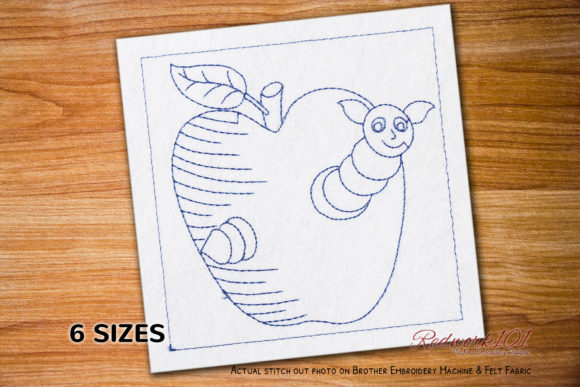
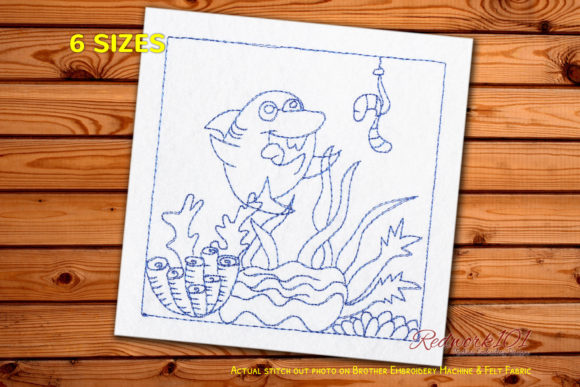
As an embroidery designer who’s built dozens of seasonal product lines—from Halloween home goods to Christmas sweater collections—I approached the Shark Eating Worm Redwork Design with equal parts curiosity and caution. At first glance, it’s unmistakably bold: a stylized marine scene rendered in classic redwork tradition—clean lines, minimal shading, strong silhouettes. It doesn’t whisper “cozy holiday” or “elegant winter”—it grins. It winks. It leans into playful absurdity with confidence. That tone is its greatest seasonal strength: it cuts through the noise of predictable snowflakes and reindeer with irreverent charm.
Where This Design Shines in Real Holiday Selling Situations
This isn’t a background motif—it’s a conversation starter. For Etsy sellers and small shop owners, the Shark Eating Worm Redwork Design performs exceptionally well in gift bundles and limited-edition drops. Pair it with coordinating “Ocean Oddities” themed items—a matching embroidered patch set, a shark-shaped ornament with subtle redwork accents, or a baby onesie with scaled-down stitching—and you create visual cohesion without sacrificing personality.
On sweatshirt embroidery, it lands with punchy, wearable humor—ideal for family matching sets (think “Shark Squad” hoodies) or teen-friendly holiday apparel. As a tote bag design, it stands out at craft fairs and pop-up markets where shoppers scroll fast. On kitchen towel embroidery or pillow covers, it adds unexpected whimsy to everyday spaces—making handmade gifts feel both personal and memorable. And because redwork inherently reads as nostalgic yet modern, it photographs beautifully for social media previews and printable mockups—critical for driving pre-holiday engagement.
Smart Placement & Practical Use Cases
The Shark Eating Worm Redwork Design works best when treated as a focal point—not filler. I recommend using it on:
- Sweatshirts and crewneck tees (center chest or back placement)
- Tote bags and market totes (large front panel, high-visibility)
- Kitchen towels and tea towels (top-center or corner, balanced with simple border stitching)
- Pillow covers and throw pillows (centered, allowing fabric texture to complement the flat redwork style)
- Embroidered patches (ideal for iron-on or sew-on customization on jackets, backpacks, or aprons)
- Table linens and napkins (smaller scale version for subtle thematic flair)
Where to Use With Intention—Not Assumption
Redwork’s simplicity is also its limitation—and that’s okay. The Shark Eating Worm Redwork Design should be used carefully on:
- Small hoop sizes: Its expressive shape needs breathing room. Avoid cramming it into under-3” hoops unless you’re confident in scaling without losing legibility.
- Thick or napped fabrics like heavy terry cloth towels or fleece—stitch density may not fully register. Test on your exact fabric before bulk production.
- Dark fabric: Traditional redwork relies on contrast. If using black or navy, confirm thread colors hold up—deep burgundy or burnt orange often read more clearly than true red.
- Stretchy garments (like ribbed knits or performance tees): Use cutaway stabilizer + basting stitches to prevent distortion during hooping and stitching.
- Curved surfaces like baseball caps: The design’s horizontal flow makes it less ideal for front panels unless modified for curve adaptation.
How It Elevates Seasonal Appeal & Buyer Trust
Holiday shoppers don’t just buy products—they buy feelings. The Shark Eating Worm Redwork Design taps into lighthearted nostalgia and shared inside jokes—the kind that spark smiles at holiday parties or make grandparents chuckle while unwrapping a handmade gift. That emotional resonance boosts perceived value, especially for personalized gifts and small shop products where authenticity matters.
It also strengthens brand consistency for makers who curate themed collections. If your shop leans into coastal charm, marine life, or offbeat Americana, this design reinforces your voice—without needing explanation. Buyers recognize it instantly across formats: from a digital embroidery file preview to a finished pillow cover in your Instagram Stories. That visual recognition builds trust over time, especially during high-intent holiday shopping windows.
Designer Notes You Can’t Skip Before Production
Before adding the Shark Eating Worm Redwork Design to your seasonal lineup, here’s what I always verify:
- Test thread colors on both light and dark fabric: Redwork isn’t always “red”—try brick, rust, or even navy for tonal depth.
- Check stitch density: Low-density redwork is forgiving, but ensure no areas are overly sparse or prone to puckering on tighter weaves.
- Confirm hoop size compatibility: Know your smallest viable hoop before listing—Etsy buyers will ask.
- Use appropriate stabilizer: Tear-away for stable cottons; cutaway for knits or textured linens.
- Create realistic mockups—not just white-background PNGs. Show it on a real sweatshirt, a folded kitchen towel, or a gift-wrapped pillow cover.
- Review small details after stitching: Especially the worm’s curve and shark’s eye—these define the design’s expressiveness.
- Plan matching color palettes: Suggest coordinating thread kits or fabric swatches in your listings.
- Confirm commercial licensing: Since this is a digital embroidery file, ensure your license permits resale of finished seasonal products—especially for wholesale or Etsy shop use.
Final Thought: A Seasonal Wildcard Worth Betting On
In a sea of safe holiday embroidery, the Shark Eating Worm Redwork Design is a splash of fearless fun. It won’t suit every collection—but for makers building joyful, memorable, gift-ready products around marine themes, playful storytelling, or coastal-inspired seasonal drops, it’s a standout choice. Used thoughtfully—with attention to fabric, stabilizer, and context—it transforms ordinary items into heirloom-worthy handmade gifts. And in the final weeks before the holidays? That’s exactly the kind of magic your customers remember.