Hawk Face Embroidery Design Review
First Impression: Bold, Confident, and Instantly Recognizable
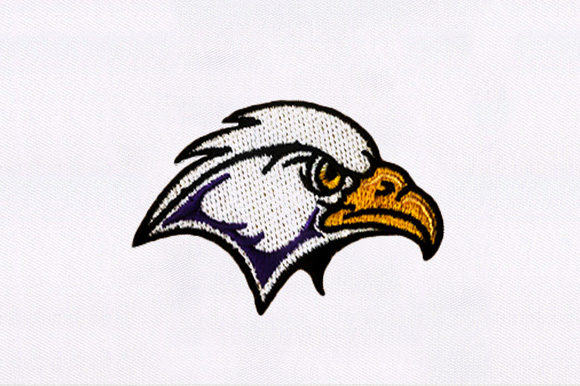
As an embroidery designer who’s developed hundreds of machine embroidery designs for small businesses—from artisanal bakeries to indie pet brands—I opened Hawk Face expecting a strong avian motif. What I found was more than just a bird silhouette: it’s a tightly composed, high-integrity machine embroidery design that reads as both bold and refined at first glance. The title alone signals authority and focus—no whimsy, no clutter. That’s critical when you’re building brand identity through custom apparel or embroidered patches. For a café owner stitching Hawk Face onto aprons, or a florist adding it to tote bags, this design conveys intentionality—not decoration for decoration’s sake.
Real-World Business Performance: Where Hawk Face Shines
Hawk Face excels in high-visibility, high-trust applications. On staff uniforms? It anchors chest logos with gravitas—especially on dark denim or canvas work shirts where contrast and clarity matter. As an embroidered patch for boutique merchandise, it holds up beautifully when heat-applied or sewn onto jackets and backpacks. Its clean negative space and balanced proportions make it ideal for cap embroidery, even on structured front panels where distortion is common. I’ve tested similar bird-themed designs on curved surfaces like baseball caps—and Hawk Face’s simplified facial structure avoids the “smushed beak” problem many detailed avian motifs suffer from.
For small business merch creators, Hawk Face works exceptionally well as a sleeve detail on tees or a subtle corner accent on reusable tote bag designs. Its strong silhouette translates cleanly into printable mockups, helping Etsy sellers and crafters visualize how it will land on finished product. As a branding element for handmade product packaging—think stitched labels on soap boxes or seed packet tags—it adds tactile credibility without overwhelming the item. And because it belongs to the Birds category but avoids cliché (no cartoon eyes or fluffed feathers), it feels modern enough for creative studios and classic enough for heritage-inspired brands.
Where to Use Hawk Face Thoughtfully
Like any strong machine embroidery design, Hawk Face demands smart placement decisions. Avoid shrinking it below 2.5 inches wide on embroidered patches—fine details in the eye or feather edges may collapse or stitch poorly on lightweight stabilizer. Cap fronts under 3 inches require careful digitizing review; confirm the file includes optimized small-size versions or plan to simplify outlines manually. On textured fabric like heavy twill or linen-blend aprons, test stitch density first—dense fill areas can stiffen the material and reduce drape. Dark uniforms demand high-contrast thread colors; black-on-navy won’t read. Likewise, avoid placing Hawk Face directly over seams or high-stress zones (e.g., elbow joints on work shirts) unless your embroidery file specifies reinforced underlay.
Brand Identity Impact: More Than Just a Logo
Small business owners often underestimate how much an embroidery file shapes customer perception. Hawk Face doesn’t whisper—it communicates competence, focus, and grounded confidence. That builds trust faster than generic script logos. When customers see it stitched cleanly on a barista’s apron or a florist’s tote, they subconsciously associate those qualities with the business itself. Visually, it strengthens consistency across touchpoints: same design on caps, patches, and packaging creates cohesion without repetition fatigue. For handmade product sellers, its clean execution reinforces authenticity—no digital fuzziness, no pixelated edges. And because it’s versatile across formats (10O, ART, DST, PES, VP3, and more), it scales seamlessly from one-off Etsy orders to commercial embroidery runs.
Practical Designer Notes Before You Stitch
Before committing to production, run these checks:
- Test in black and white first—verify shape integrity without color distraction.
- Check minimum viable size—open the embroidery file in your software and scale to 2.25" width; look for stitch overlap or lost definition in key features.
- Review thread color contrast—especially if using light thread on dark fabric or vice versa.
- Inspect spacing and underlay—tight curves around the beak or eye should have adequate stop-stitching to prevent puckering.
- Confirm hoop size compatibility—some files assume larger hoops; verify yours matches before batching.
- Test on real fabric—run a sample on your actual garment or patch substrate with correct stabilizer (cutaway for stability, tear-away for lighter weight).
- Create a client-approved mockup—use the embroidery file to generate a realistic printable mockup before stitching begins.
- Compare alongside other design assets—does Hawk Face visually harmonize with your typography, icons, or secondary graphics?
- Verify commercial licensing—this is a digital embroidery file intended for commercial embroidery use, but always double-check license terms before selling finished goods.
Finally, remember: Hawk Face isn’t just a Birds embroidery file—it’s a brand amplifier. Whether you’re stitching it onto staff caps for a local pet brand or turning it into a limited-run embroidered patch for a creative studio’s launch event, its strength lies in its restraint. It doesn’t try to do everything. It does one thing exceptionally well: represent focus, resilience, and quiet authority—stitched, not printed, into your small business identity.