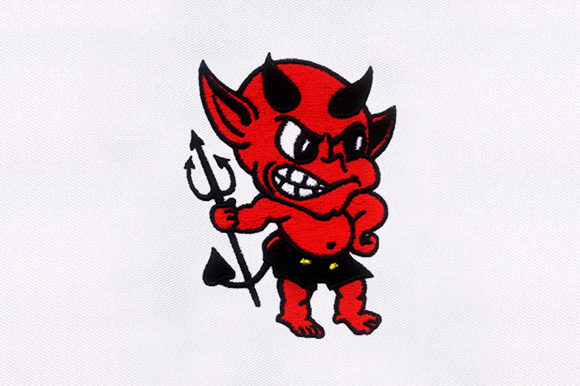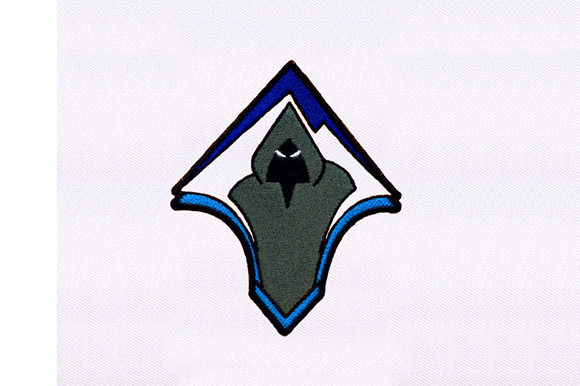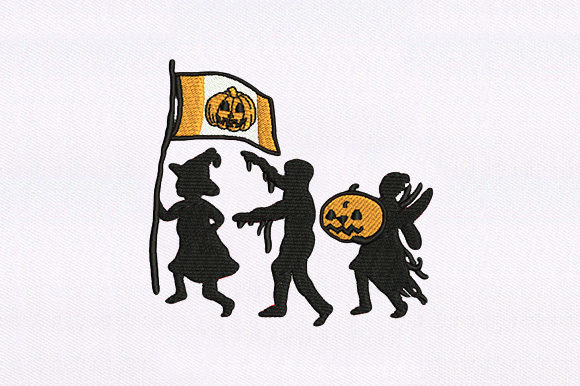
Halloween Flag Design
First Impression: Festive, Bold, and Booth-Ready
As an embroidery designer who’s prepped over 200 craft fair booths—and shipped thousands of machine embroidery designs—I opened Halloween Flag Design expecting something instantly legible, seasonally sharp, and production-practical. What I got was exactly that: a clean, high-contrast motif with strong silhouettes, balanced negative space, and clear visual hierarchy. It reads as festive without leaning into kitsch, bold without sacrificing charm, and handmade-friendly without demanding perfectionism from the stitcher. No tiny ghosts hiding in corners. No overlapping thread nests. Just confident, scalable Halloween energy.
Where It Shines on Craft Fair Products
This isn’t a one-product design—it’s a booth workhorse. On a natural canvas tote bag? Instant curb appeal. The proportions hold up beautifully at 6–8 inches wide, letting the flag motif anchor the front while leaving room for subtle branding or a small “Handmade with Love” tag. As apron embroidery? It centers perfectly above the pocket—eye-catching but not overwhelming, especially when stitched in rich black-on-cream or charcoal-on-oat. For tea towel embroidery? Yes—if you avoid ultra-textured terry weaves. A medium-weight linen-cotton blend lets the stitch definition pop, and the design’s open layout prevents puckering around seams.
Embroidered patches made from Halloween Flag Design sell like candy corn in October. Its clean edges and moderate stitch density mean crisp cut-and-sew results, even with budget fusible backing. On fabric pouches and small market bags? It scales down to 3.5 inches without losing identity—ideal for gift sets or mini collections. Pillow covers benefit from its graphic strength: no fading into patterned backgrounds, no confusion about theme. And for caps? Use it on the front panel—not the curve—where the flat surface honors its clean lines and avoids distortion.
What Makes It Sell—Beyond the Stitch
At a craft fair, attention is measured in seconds. Halloween Flag Design wins that race. Customers recognize the holiday + flag combo instantly—no decoding required. It feels intentional, not generic. That perception lifts perceived value: buyers see a cohesive handmade product, not just “something with pumpkins.” For Etsy sellers and small shop owners, this translates directly to stronger listings. Paired with a clean printable mockup (think rustic wood background, soft shadow), it photographs with clarity and warmth—no retouching needed. And because it’s built for readability at multiple sizes, it supports repeatable batch production: same hoop size across totes, aprons, and patches means faster setup, fewer errors, and consistent quality.
Design Assets That Support Real Business Needs
- Digital embroidery file versatility: With 17 formats—including PES, DST, VP3, and HUS—it integrates smoothly whether you’re using Brother, Janome, Bernina, or commercial multi-heads.
- Commercial embroidery readiness: No watermarks, no usage locks—just production-ready files. (Always confirm licensing terms before selling finished products.)
- Booth display strength: Mounted on a mini wooden flagpole or pinned to burlap backing, it becomes a visual anchor—not just another item, but a seasonal statement.
Careful-Use Notes Every Embroiderer Should Know
Even great designs have boundaries—and respecting them keeps your reputation intact. Halloween Flag Design performs best on smooth-to-medium fabric textures. Avoid dense terry cloth, heavy bouclé, or heavily brushed fleece unless you double-stabilize and reduce top tension. On dark fabric? Choose high-contrast thread colors—matte black thread on navy can disappear; go for deep burgundy or metallic copper instead. Tiny lettering or fine stems aren’t present here, but do check spacing between flag elements if resizing below 3 inches—some versions may compress details too tightly.
Stitch density is moderate—not sparse, not aggressive—so standard tear-away works for most cottons and linens. But for stretchy knits or lightweight chambray, add light cut-away stabilizer underneath. And never skip the test run: embroider on scrap fabric *in your actual thread and stabilizer combo*, then hold it at arm’s length. Does it read clearly? Does the flag “wave” or look stiff? Does the contrast hold under booth lighting? That five-minute test saves hours of rework.
Designer-Level Production Tips You’ll Actually Use
Before cutting your first fabric piece, do these six things:
- Test the embroidery file on scrap fabric—same type, same color, same stabilizer.
- Check thread contrast against your base fabric under both daylight and warm bulb lighting.
- Review spacing and alignment—especially if layering with text or secondary motifs.
- Confirm hoop size compatibility with your machine and intended product (e.g., cap frames vs. large hoops for tote bags).
- Inspect stitch density visually—look for areas where thread might pile or sink into texture.
- Create at least one real mockup—not digital, not draped, but fully stitched, pressed, and displayed as it would appear on your booth table.
Also: compare fabric colors side-by-side before bulk cutting. A cream linen may look warm on screen but cool in person—and that changes how your thread choices land. And always verify commercial licensing before applying Halloween Flag Design to products sold beyond personal use. Most reputable designers include clear terms—but when in doubt, reach out.
Final Thought: It’s Not Just a Design—It’s Your October Revenue Anchor
In a sea of pumpkin stencils and witch silhouettes, Halloween Flag Design stands out by balancing personality with polish. It doesn’t shout—it invites. It doesn’t clutter—it clarifies. For craft fair sellers, it’s booth gold: versatile enough for eight product types, strong enough to drive impulse buys, and refined enough to support premium pricing. For Etsy sellers and boutique makers, it’s listing-ready storytelling—no extra copy needed, just a well-stitched flag and a smile. As a machine embroidery design, it’s proof that seasonal doesn’t mean sacrificial. It’s smart, scalable, and sincerely made—for real people making real handmade products.