Black Angus Cattle Embroidery Design Review
First Impressions: Warm, Timeless, and Thoughtfully Crafted
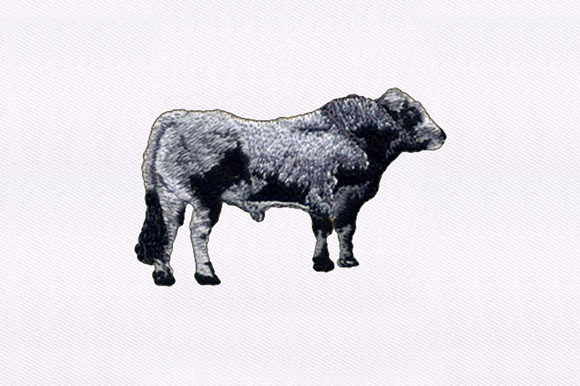
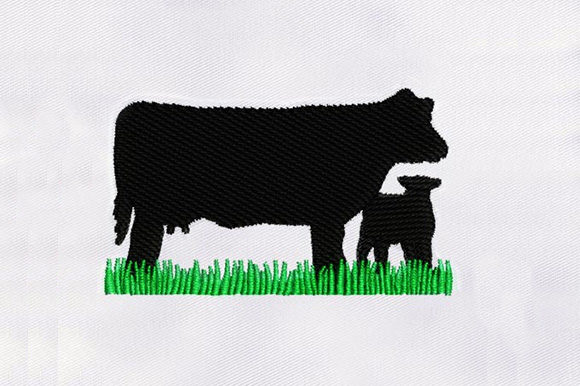
As an embroidery designer who’s tested hundreds of farm animal motifs for personalized gift shops and Etsy sellers, I opened the Black Angus Cattle machine embroidery design with quiet anticipation—and was immediately struck by its grounded charm. This isn’t a cartoonish cow or a stiff silhouette; it’s a softly rendered, gently stylized Black Angus head in profile, with subtle shading, expressive eyes, and clean contour lines that suggest both strength and serenity. The mood is classic—not trendy, not seasonal—making it equally at home on a baby blanket as it is on a rustic wedding pillow cover. It feels handmade, even before stitching, thanks to balanced negative space and intentional simplification of detail. For customers seeking meaning over flash, Black Angus Cattle delivers emotional resonance: heritage, family roots, rural pride, or gentle nostalgia.
Where This Design Truly Shines
The versatility of Black Angus Cattle makes it a standout for small shop owners and digital product sellers alike. Here’s how it performs across real-world applications:
- Baby embroidery: Perfect for heirloom blankets, onesies (with careful placement), and nursery wall hangings—its calm presence soothes rather than overwhelms.
- Wedding gift: Stitched on linen napkins, cotton tote bags, or custom aprons for farm-to-table couples, it adds quiet sophistication without cliché.
- Personalized towel & kitchen decor: On flour-sack or waffle-weave towels, the design holds clarity and warmth—ideal for country kitchens or agritourism lodges.
- Pillow covers & blanket embroidery: At medium scale (4–5 inches wide), it anchors a neutral palette beautifully and photographs well for Etsy listings.
- Craft fair & boutique products: Paired with natural fibers and earth-toned thread colors, it reads as premium handmade—not mass-produced.
- Custom order previews: Its clean lines translate reliably into printable mockups, helping customers visualize the finished product before purchase.
Smart Placement Matters: Where to Use It—and Where to Pause
Like any thoughtful machine embroidery design, Black Angus Cattle rewards intentionality. It excels on stable, medium-weight fabrics like quilting cotton, linen, canvas, and midweight twill—but requires extra care in these scenarios:
- Small lettering or delicate details: The design contains no fine text or micro-detailing, so it avoids common pitfalls—but always verify your chosen file size matches your intended hoop size before digitizing further.
- Textured fabric: On heavy terry cloth or thick woven towels, use cutaway stabilizer and reduce stitch density slightly to prevent puckering.
- Stretchy baby clothes: Avoid tight knits unless fused with tear-away + topping; consider using it instead on cotton swaddles or quilted receiving blankets.
- Curved surfaces (like mugs or curved tote straps): Not recommended—this is a flat-surface embroidery file, best suited for apparel, linens, and home goods with stable tension.
- Dark fabric: Test thread color contrast first. Rich burgundy, charcoal grey, or cream thread often elevates the design more than stark white on black.
- Frequent washing: Confirm proper stabilizer choice and secure thread trims—especially around the ear and muzzle contours—to maintain definition over time.
Why Customers Choose—and Remember—This Design
Gift buyers don’t just buy a cow. They buy connection. A customer ordering Black Angus Cattle for a baby blanket may be honoring grandparents’ cattle farm. Another selecting it for a wedding keepsake might be celebrating shared values—sustainability, land stewardship, simplicity. That emotional layer lifts perceived value instantly. When stitched cleanly, this design signals craftsmanship: the balanced stitch density, smooth satin fills, and confident outlines tell shoppers they’re getting a curated handmade product—not a rushed digital download. In product photography, it stands out against minimal backdrops and pairs effortlessly with wood, stone, or raw linen textures. For Etsy sellers, that translates directly to higher engagement, longer dwell time, and stronger buyer trust.
Practical Embroidery Notes Every Maker Should Follow
Before adding Black Angus Cattle to your production line or digital shop, run these checks:
- Test on scrap fabric matching your final product—especially if switching between cotton, linen, or blends.
- Compare thread color options on both light and dark fabric swatches. Suggest 2–3 harmonizing palettes to customers (e.g., oatmeal + espresso, sage + cream, navy + heather).
- Confirm hoop size compatibility—the file supports multiple formats (PES, DST, HUS, VP3, and more), but double-check dimensions match your machine’s max hoop capacity.
- Review stitch density visually in your embroidery software. If dense in the muzzle or eye area, consider slight underlay adjustment for smoother coverage on napped fabrics.
- Use appropriate stabilizer: Tear-away for stable wovens, cutaway for knits or heavy toweling, and topping for textured surfaces.
- Check small details post-stitch: Ensure the eye and nostril areas are crisp—not lost in thread buildup.
- Verify commercial licensing before selling finished products. As a digital embroidery file, its usage rights depend on your source—always confirm before listing on Etsy or supplying wholesale.
A Trusted Choice for Meaningful Personalization
In a market flooded with generic animals and fleeting trends, Black Angus Cattle stands apart—not because it shouts, but because it settles in. It works quietly across generations, occasions, and aesthetics. Whether you're a baby product creator stitching monogrammed burp cloths, a wedding gift designer embroidering burlap favor bags, or an Etsy seller curating a Farm Animals collection, this embroidery file invites authenticity. It doesn’t demand attention—it earns it, stitch by thoughtful stitch. And for anyone building a brand around heartfelt, handmade quality? That’s not just embroidery. That’s legacy, stitched in thread.